Air Fryer Basket Cleaning: Find the Right Method for Your Model
Affiliate disclosure: As an Amazon Associate I earn from qualifying purchases. Kitchen Daybook may receive a commission when you buy through the Amazon links in this article. Product examples are based on published descriptions, not our hands-on tests. No current prices, ratings or availability are promised.
Use the cleaning instructions for your exact model and part, not a universal social-media recipe. A basket, a removable pan, a crisping insert and the appliance body are different components. Permission to wash one does not establish that you can immerse or put the others in a dishwasher.
This guide helps you find and interpret the instructions. It is not a universal cleaning procedure, a coating-safety assessment or an appliance-repair guide. The named example below is limited to the manufacturer’s stated scope.

1. Identify the appliance before selecting a method
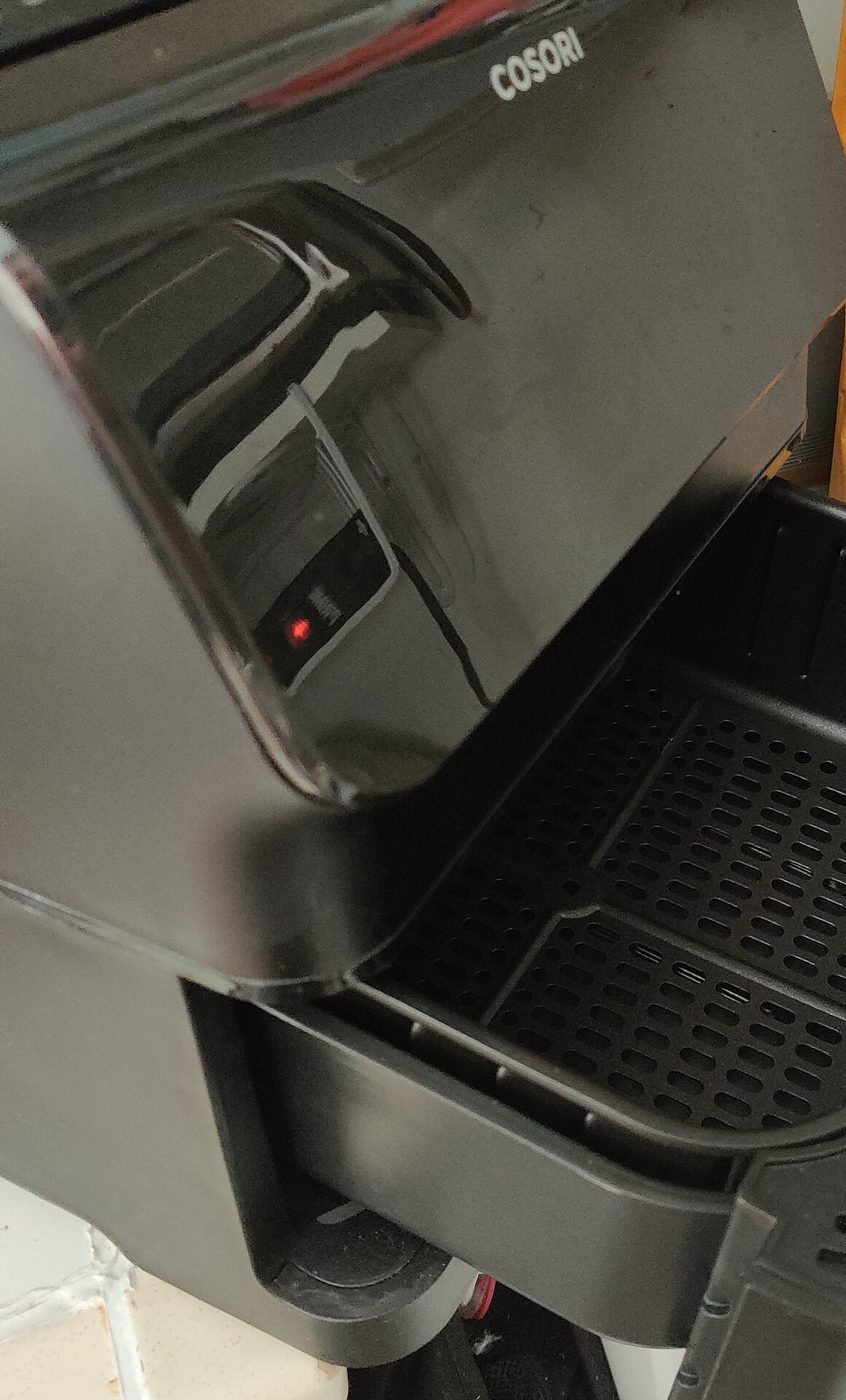
Use the model information supplied with your appliance to find its official manual or support page. Match the model and, where relevant, the market or version. Avoid selecting a page merely because its product photograph looks familiar.
Write down the name of the component you want to clean. Check whether the instructions call it a basket, pan or insert, and whether it is intended to be removed by the user. If you cannot match the component, ask the manufacturer instead of assuming it comes apart like another model.
Make a short parts record before choosing cleaning supplies
Start with three entries: appliance model, removable component name and official instruction reference. Keeping those together prevents a familiar photograph from becoming your only evidence. Similar-looking baskets can belong to different versions, and an online listing’s phrase “dishwasher-safe parts” may not identify which pieces it means. The manual or model-specific support page should resolve that question.
A sponge is often the first tool people reach for, but the label on the sponge and the appliance’s permissions are different sources. The Scotch-Brite Zero Scratch nine-pack on Amazon is an example of a product marketed for nonstick surfaces. Its product name is not a guarantee for every air-fryer coating. If your manual specifies a soft sponge, confirm that the actual side and material you intend to use meet that instruction; do not assume every scrub surface is equivalent.
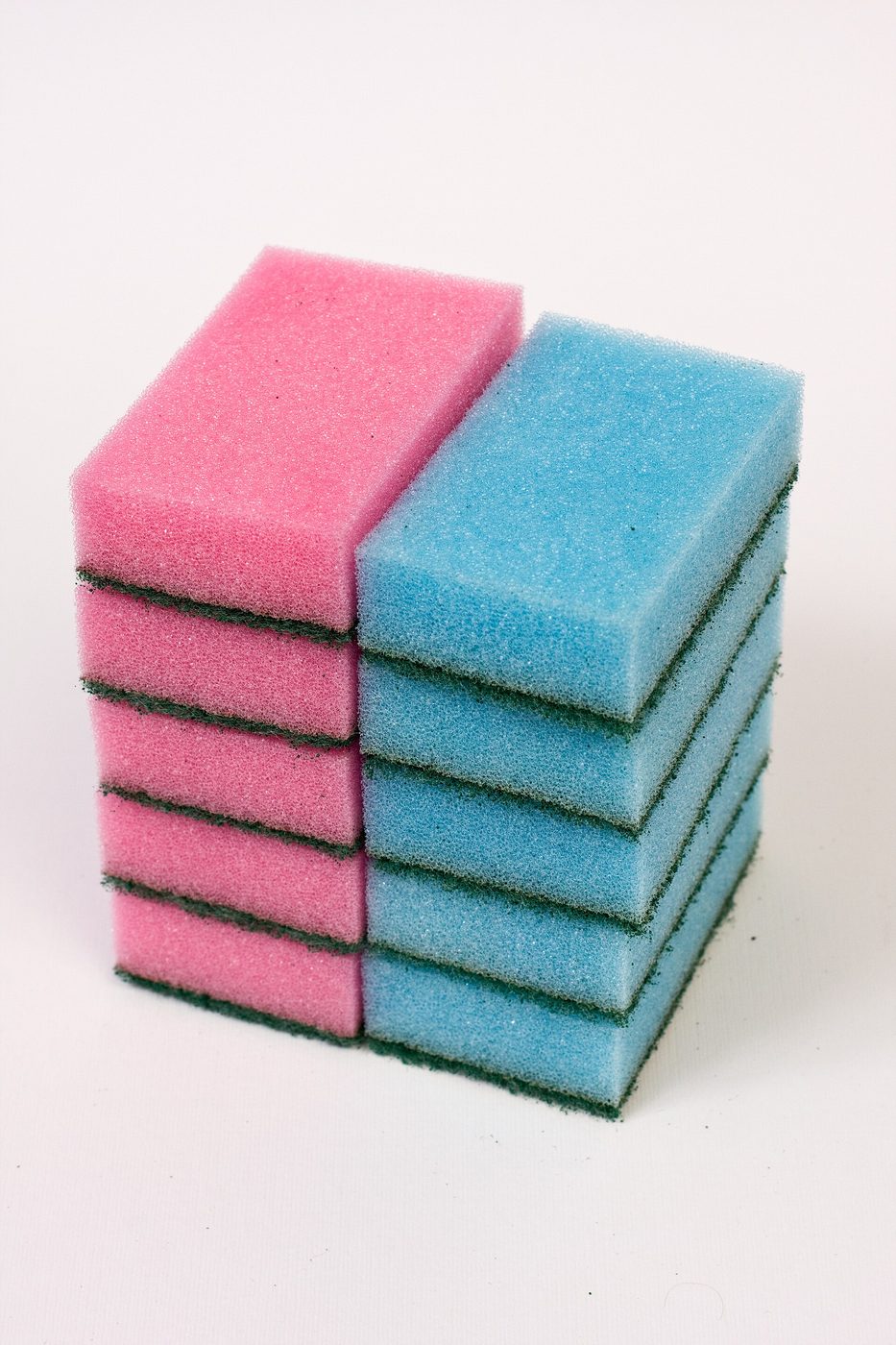

Record what remains unresolved rather than choosing the strongest-looking tool. A support page might say “non-abrasive” without naming a particular commercial sponge, or allow a sponge but say nothing about a scraper. In that situation, the extra feature is not automatically permitted. Ask the manufacturer if you cannot establish compatibility from the documents.
This simple record can also prevent accidental overreach between components. A removable insert’s instructions do not authorize the same treatment for the main housing, and a bowl used to hold a basket during washing is not permission to immerse an electrical unit. Keep the task narrow: the removable part, its permitted method, and the compatible supplies. The goal is not to assemble a large cleaning kit. It is to avoid using a product claim as a substitute for the appliance instructions that actually apply.
2. Switch off, unplug and follow the cooling instructions
Before cleaning, switch off and unplug the appliance and allow it to cool according to its instructions. Do not turn an approximate cooling time from one support page into a rule for every machine.
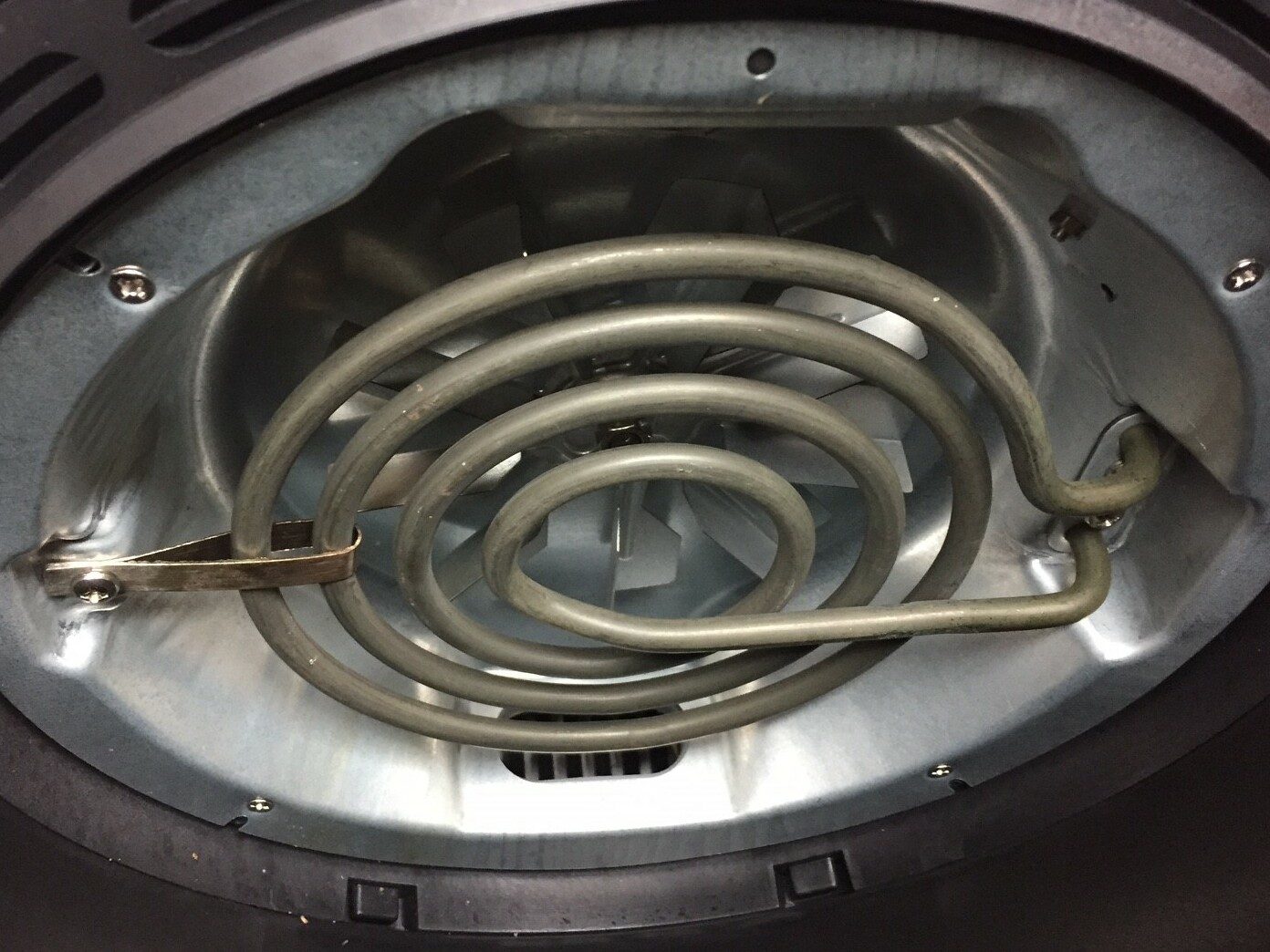
Keep the scope narrow: the following checks concern a removable basket or pan. This article does not tell you to immerse the main appliance, remove electrical parts, invert the housing, clean the heating element or run a homemade cleaning cycle.

3. Extract the permissions that actually apply
Read the cleaning section for explicit answers to these questions:
| Question | What to record |
|---|---|
| Which parts may be removed? | The exact named components |
| What hand-cleaning method is permitted? | Water, detergent and tool instructions as given |
| Is soaking allowed? | Any model-specific conditions, or “not established” |
| Is dishwasher cleaning allowed? | Permission for the particular part—not a general brand assumption |
| How should it be dried and reassembled? | The manufacturer’s directions |
Question
What to record
Question
What to record
Question
What to record
Question
What to record
Question
What to record
A blank answer is not permission. If a component is not mentioned or instructions conflict, seek clarification from the manufacturer before choosing a method.
Plan the washing space without adding abrasive tools
Before buying another cleaning tool, decide where the permitted hand-washing step would happen. A sink or separate bowl must accommodate the removable part without forcing it against an obstruction. Check the part’s shape, including handles and projecting edges, rather than comparing only the appliance’s headline capacity. The main electrical unit does not belong in this washing space.
A separate bowl is one optional way to keep the removable-parts task distinct. The Joseph Joseph Wash&Drain White/Green 85055 washing-up bowl on Amazon is a named example with a removable strainer plug and carrying handles. Joseph Joseph identifies the White/Green version as SKU 85055 on its own product page. It is a washing-up bowl, not an air-fryer accessory certified for a particular basket. Check its usable interior and your sink before considering it; the published exterior dimensions alone do not prove that your part fits.
Using a separate bowl does not grant permission to soak a component. The appliance instructions must explicitly support the washing or soaking method, and any restrictions on the removable part still apply. If the part does not fit normally, choose another permitted arrangement rather than bending it, disassembling it further or immersing the appliance body. A bowl already in your home may serve the same purpose when its use and dimensions are suitable.
Keep the tools simple within that arrangement. A stiff-bristled brush or built-in scraper is not a substitute for a soft sponge when that is what the appliance specifies. This guide does not recommend buying either for a coated basket. Record the permitted tool beside the part name, then keep unsupported pads and scrapers out of that task. Choose the washing space and approved method first, instead of assembling a cleaning kit and finding reasons to use everything in it.
4. Read a named example without generalizing it
Philips’ official Airfryer cleaning support page describes washing the removable pan, basket or frying insert with hot water, dish soap and a soft sponge. It warns against metal utensils and abrasive cleaning materials that may damage the non-stick coating.
The page visibly lists NA555/00, NA340/00 and NA341/00 among applicable models and offers a link to show more product numbers. That is not evidence that the instructions apply to every Philips Airfryer, every regional version or another brand. Check your exact model before following them.
For models covered by that page, Philips says the pan, basket or frying insert is dishwasher-safe. That permission names removable parts, not the appliance body, and it should not be extended to a model outside the page’s scope. The separate steam-clean section applies only to NA55x models and only to the big pan. It does not authorize adding water to another air fryer and switching it on.
This guide deliberately does not prescribe one soaking duration, cooling interval or cleaning cycle. The manufacturer’s documents can differ by model; a generalized number would hide the detail you need to check.
Read the detergent label as well as the appliance instructions
“Dish soap” describes a broad product type, not a license to use any household cleaner. Confirm that the appliance instructions permit it for the named removable part, then read the cleaner’s own directions. Permission to put a particular component in a dishwasher does not mean hand-dishwashing liquid belongs in that machine.
One hand-dishwashing example is the Dawn Ultra Original two-bottle hand dish-soap listing on Amazon. The selected listing is described as 56 fl oz, pack of two, so compare the package with the amount and storage space you actually need rather than assuming it is one small bottle. Its published directions say it is not for use in dishwashers. Check your appliance manual before choosing it for a removable part; this is not a Philips endorsement of Dawn. Hand-dishwashing liquid and automatic-dishwasher detergent are different product types. Follow the cleaner’s own label rather than interpreting a general grease-cutting claim as permission to use it everywhere.
Do not extend the Philips example into a universal soaking recipe. Its support guidance has a defined model scope, and a separate steam-clean section has an even narrower one. A statement that a removable pan can be washed is different from permission to add liquid to the appliance and run it. This guide supplies no chemical-mixing formula, powered cleaning cycle or prescribed soaking duration.
Where instructions appear inconsistent, preserve the exact wording and ask support to clarify it. Give the model, component and product you are considering rather than asking only “Can I wash my air fryer?” That narrower question is easier to answer usefully. If residue remains after the permitted method, the next step is not automatically more detergent or a harsher product. Return to the documented procedure and obtain model-specific advice. Neither a retailer’s grease-cutting claim nor a neighbor’s successful method establishes compatibility with your part.
5. If residue remains, do not escalate by improvising
Return to your model’s approved instructions. Do not assume that more abrasive scrubbing, a stronger chemical, a homemade mixture or a longer soak is acceptable just because ordinary cleaning did not remove a mark.
Use cleaning products only as permitted by the appliance manufacturer and the product label. This guide supplies no chemical mixing formula. If the method is unclear, contact support rather than borrowing instructions for a different coating or removable part.
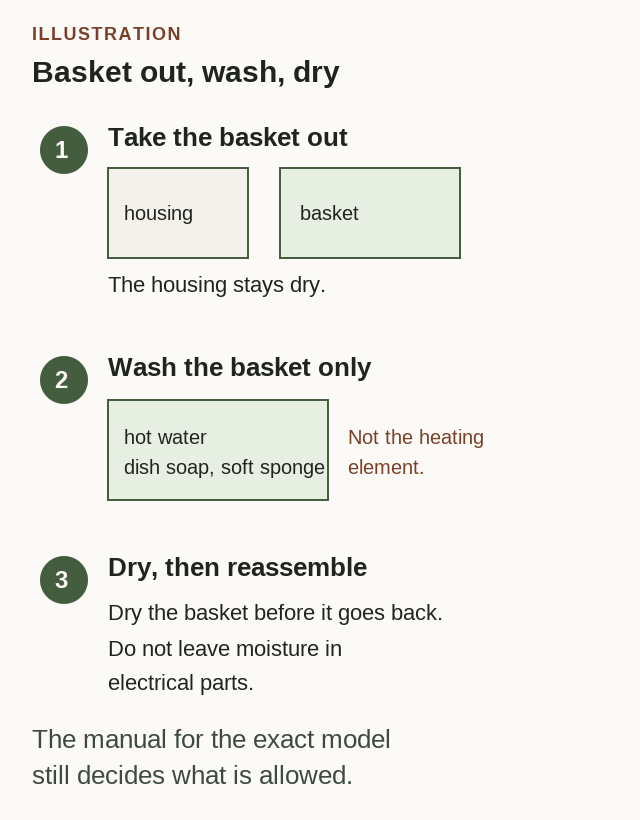
After cleaning, follow the manual’s drying and reassembly directions before the next use. Permission to wash a removable component is not permission to leave moisture in electrical parts.
Keep wiping and scrubbing tasks separate
The tool used to wipe a permitted exterior surface need not be the one used on a removable basket. Make that distinction before starting, especially if the products look similar. A cloth with a smooth wiping surface, a textured scrub cloth and a sponge with an abrasive side should not be treated as identical merely because each is sold for kitchen cleaning.
The Amazon Basics microfiber cleaning cloths, twenty-four-pack listing on Amazon describes reusable, washable, non-abrasive cloths. This is a wiping-cloth example, not approval for every coating or component. Check the cloth’s care instructions and use it only on surfaces where your appliance instructions permit an appropriate cloth. Keep a cloth used for the permitted exterior-wiping task separate from supplies used on food-contact parts, so their different uses remain clear.
If the manual calls for a damp cloth, that does not authorize excessive moisture near controls or electrical areas. This guide does not give a method for cleaning the heating element, opening the housing or working around internal electrical parts. Keep those topics with the manufacturer’s instructions rather than borrowing them from a general cleaning article.
After the permitted cleaning, distinguish a remaining deposit from an unexplained surface change. You may be able to describe the appearance, but this guide cannot diagnose it from a general description or certify the coating. Record the component, location of the mark, approved method used and any change you noticed. If a support conversation is necessary, those details are more useful than a claim that the basket “must be ruined” or “must be safe.” Do not sand, recoat, scrape or chemically treat a component based on this article. The boundary is intentional: choosing suitable cleaning supplies is not the same as assessing damage or repairing an appliance.
6. Separate cleaning from damage assessment
If you notice coating changes, a loose component or another condition you cannot explain, do not use this article to diagnose toxicity, repair a coating or certify the appliance as safe. Ask the manufacturer for model-specific advice before deciding how to proceed.
You may already own a soft sponge or other tool that matches the manual. There is no need to buy a special brush—or a replacement appliance—unless a specific, supported requirement remains unmet. For a broader equipment decision, see our air fryer and toaster oven comparison.
Plan drying and reassembly before the next use
Read the drying and reassembly directions while you are checking the washing method. A procedure is not complete merely because visible food has been removed. The exact manual may distinguish how removable pieces should be dried, how an insert is positioned and when the appliance is ready for use. Follow those directions instead of adopting a fixed drying interval from another model.
A rack can provide a place for permitted removable pieces to drain, if their care directions and the rack’s arrangement are suitable. The OXO Good Grips Foldaway dish rack on Amazon is an example with a folding plate rack and a draining spout. It is not a dedicated air-fryer fitting or a guarantee that a basket will sit securely on it. Check the rack’s open dimensions, placement and the shape of the part before considering it; an existing suitable drying arrangement may already be enough.
Do not balance an awkward component on narrow tines just to fit more pieces into the same area. Choose an arrangement that follows the products’ instructions and keeps the parts identifiable for reassembly. A new drying rack should solve a specific space problem, not become a mandatory accessory for every appliance purchase. The main electrical unit is outside this removable-parts workflow.
Finish by keeping the instruction reference somewhere you can find it next time. A short note containing the model, permitted tools, dishwasher answer and drying directions can reduce the temptation to rely on memory or a viral shortcut. Update the note if the manufacturer issues revised guidance. If a part appears changed or damaged, seek advice before treating cleaning as complete. The useful result is a documented, model-appropriate routine, not a promise that one branded product removes every mark or that a clean-looking basket has been certified safe by Kitchen Daybook.
Source and scope
Source checked November 23, 2026: Philips — How to clean my Philips Airfryer. This is a source-based explanation, not our hands-on test or a statement that all air-fryer coatings behave alike. No cleaning-product rankings or current prices are included. Commercial examples above are conditional on model instructions and are separate from this non-affiliate source.