Blender vs Food Processor: Which Jobs Need Which Tool?
Affiliate disclosure: As an Amazon Associate I earn from qualifying purchases. Kitchen Daybook may receive a commission when you buy through the Amazon links in this article. Product examples are based on published descriptions, not our hands-on tests. No current prices, ratings or availability are promised.
Start with the result, not the motor rating. A blender is generally the first appliance to check for a pourable, blended mixture. A food processor is generally the first to check when you need chopping, slicing or shredding. Some mixtures can be made in either, but the permitted ingredients, attachments and working limits depend on the exact machine.
If you already own an appliance that supports the job, you may not need another one. This guide compares capabilities described by a manufacturer; it does not report hands-on testing or rank individual models.

Match the task to the equipment
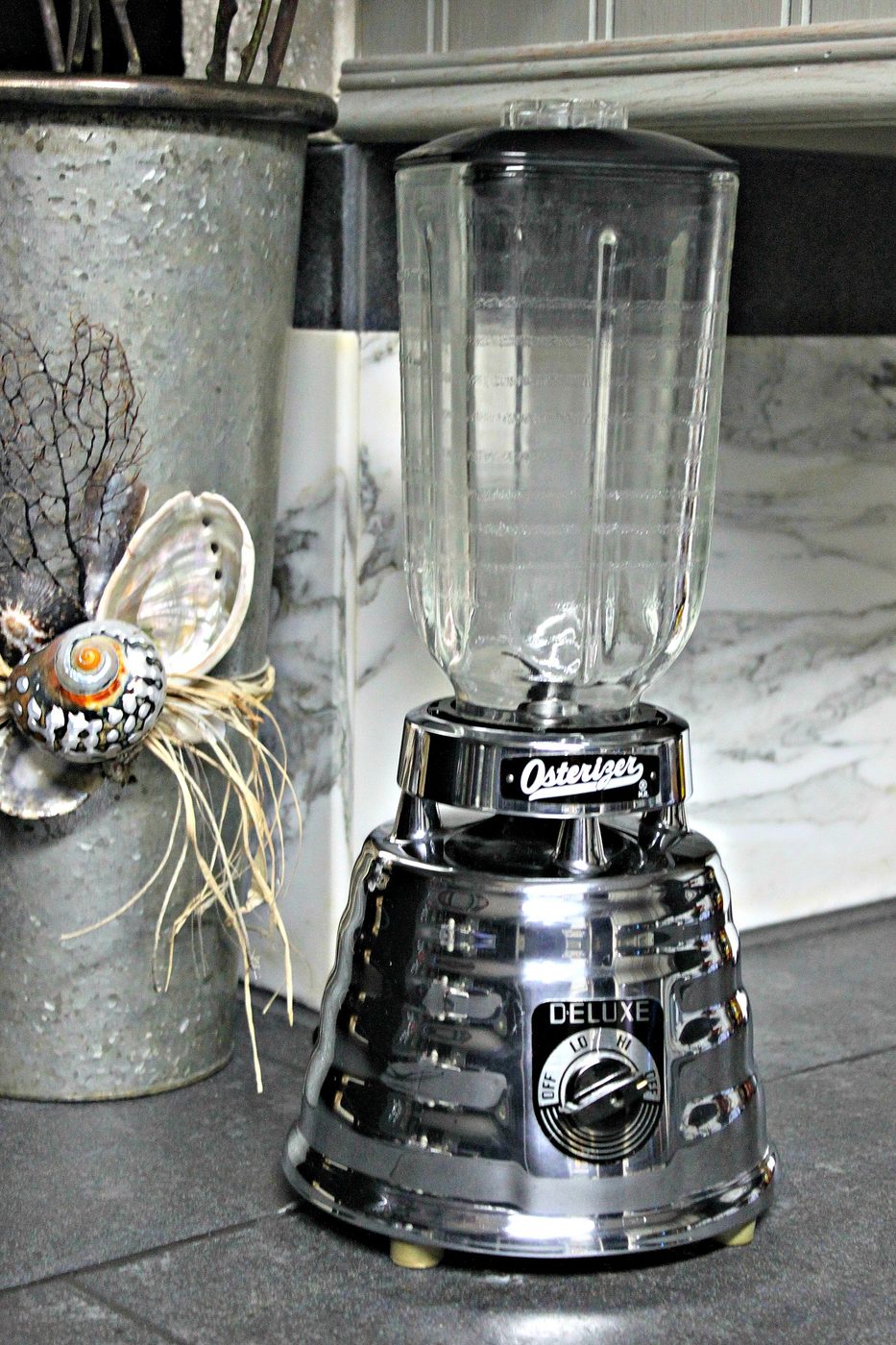
KitchenAid’s food processor and blender guide describes the common distinction: blenders typically have a tall jar and are used for wetter mixtures, while food processors typically have a wider work bowl and may accept different blades or discs. Those are useful starting points, not promises about every product.

| Your intended result | What to check first | The detail that can change the answer |
|---|---|---|
| A pourable smoothie or blended sauce | Blender | Whether the manual permits your ingredients and specifies a minimum or maximum working quantity |
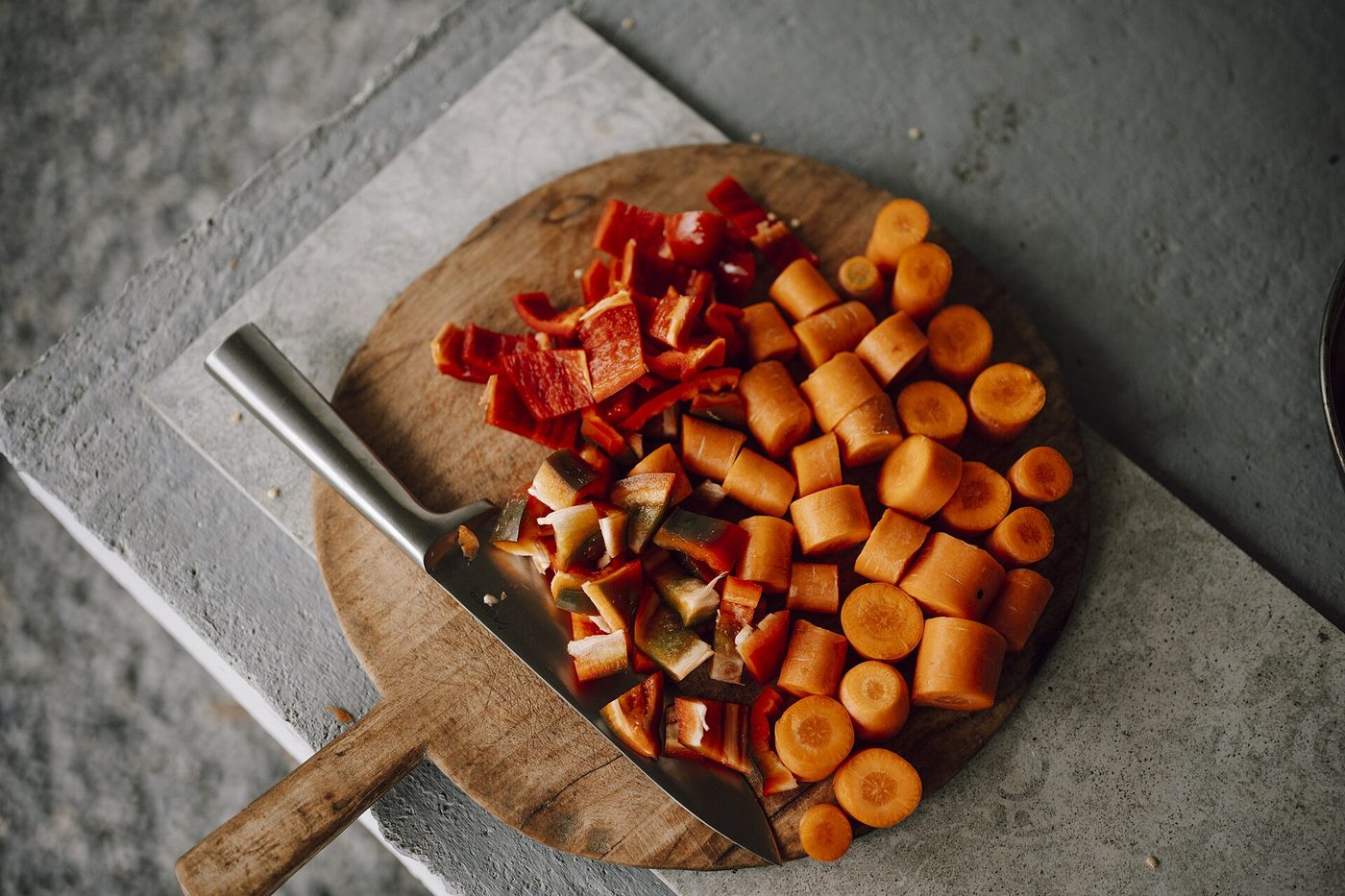
| Sliced or shredded vegetables | Food processor with the appropriate disc | Whether that disc is included, compatible and intended for the ingredient |
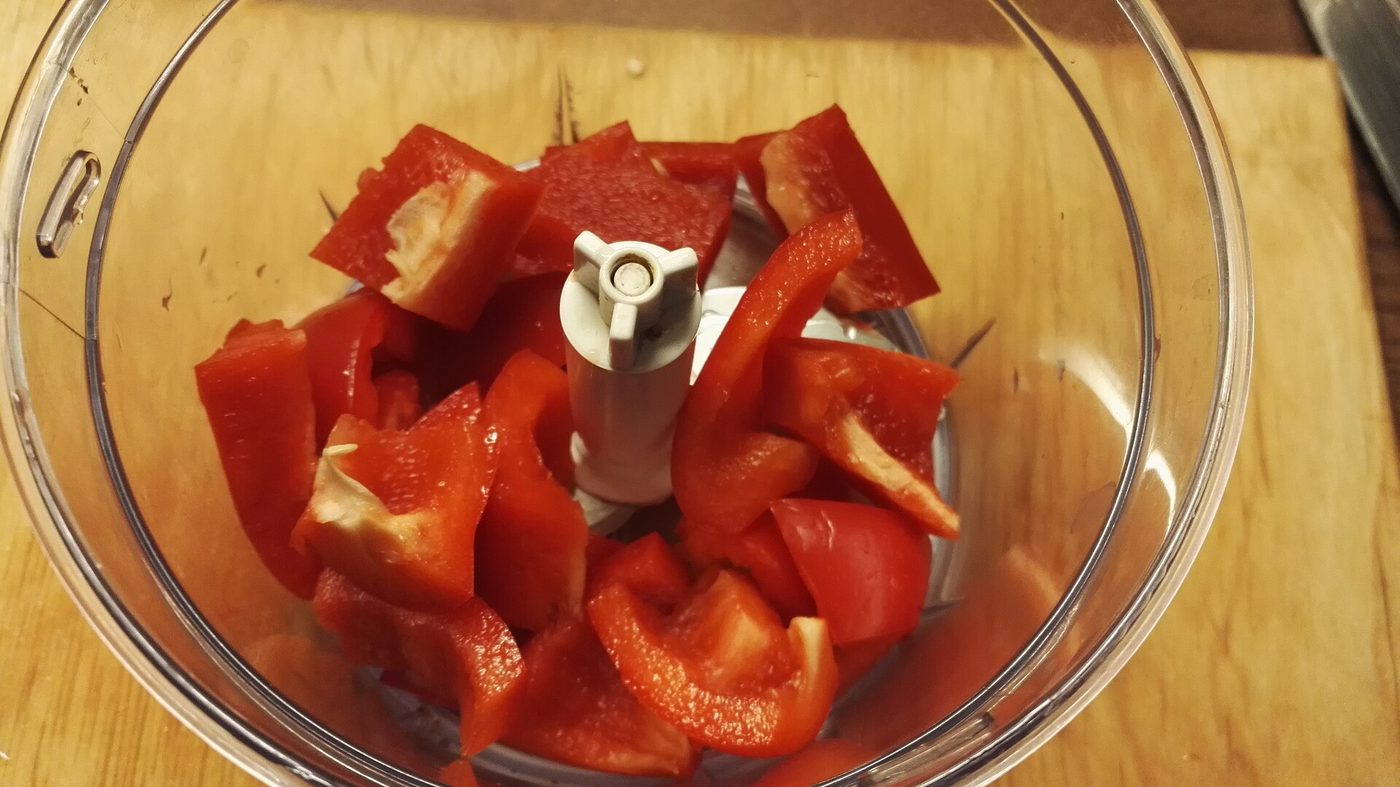
| A deliberately chopped or textured mixture | Food processor | The supplied blade, permitted ingredients and batch instructions |
| A thick dip or purée | Either may be suitable | The recipe’s consistency and the machine’s instructions for thick mixtures |
Your intended result
What to check first
The detail that can change the answer
Your intended result
What to check first
The detail that can change the answer
Your intended result
What to check first
The detail that can change the answer
Your intended result
What to check first
The detail that can change the answer
The final row matters. “Blenders do liquids; processors do solids” is too absolute. KitchenAid describes overlapping uses, including dips and sauces. Conversely, a processor’s ability to purée does not mean it is an interchangeable container for every blender recipe.
Translate a shopping question into an actual preparation job
Write a brief that describes the finished texture, the ingredients and the batch you normally need. “A sauce for two meals” is still vague: a pourable dressing and a spoonable bean dip present different jobs. You do not need to write a recipe to distinguish them. Record whether the result should pour, hold its shape, contain visible pieces, or have uniform slices. That vocabulary makes the manufacturer’s task list much more useful than a comparison of advertised motor power.
For a concrete wide-bowl example, the KitchenAid KFP0718 seven-cup food processor on Amazon lists a multipurpose blade and a reversible medium slicing/shredding disc. The disc matters if slices or shreds are the missing capability. Its advertised seven-cup bowl does not establish a seven-cup working allowance for every mixture. Read the manual’s ingredient and fill instructions before treating the number as a batch plan.
Now separate the jobs you repeat from the ones you merely imagine doing. A person who regularly grates vegetables has a different equipment gap from someone who occasionally chops a small garnish. A slicing attachment might address the first gap; ordinary manual preparation might remain adequate for the second. Neither conclusion requires declaring one appliance universally better.
Keep preparation and cleanup in the same brief. Note what must be trimmed before loading, which attachment must be fitted, and which pieces must be washed afterward. Those entries are questions for the manual, not instructions to improvise. If two machines both support the mixture, the handling sequence can be the deciding practical difference. A product example is useful only when it helps answer one of these questions; a longer list of appliances does not automatically make the decision clearer.

Look at attachments, not just the category name
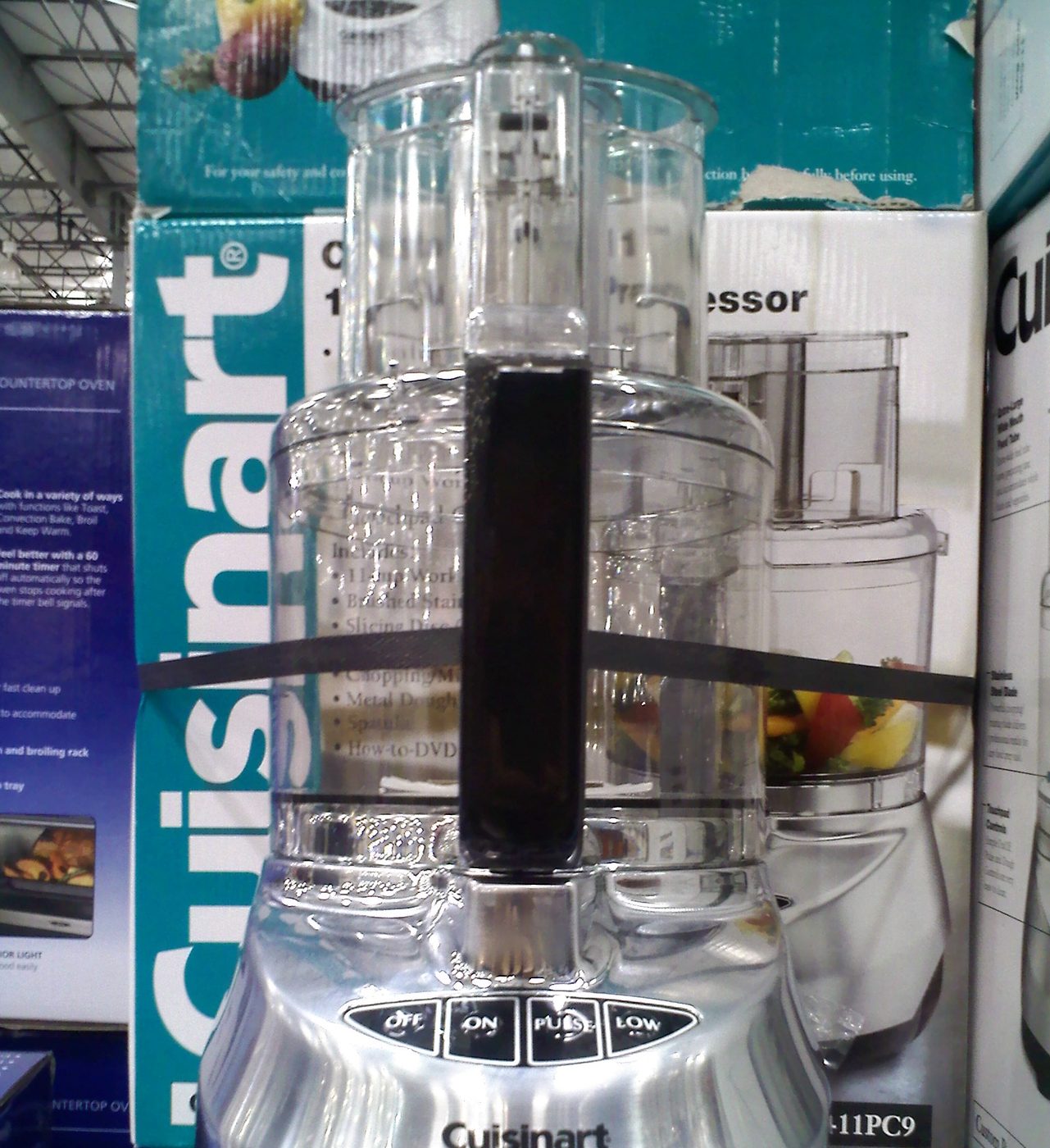
A food processor’s chopping blade and slicing disc do different jobs. The presence of a wide bowl does not tell you which accessories come in the box. Check the actual included-parts list before expecting slicing, shredding, dicing or dough preparation.

The same caution applies to blenders. Do not assume that a tall jar means a machine can crush ice, handle frozen ingredients or blend hot liquids. This article does not provide instructions for those tasks. Look up the exact model and container in the manufacturer’s manual; a personal cup and a larger jug supplied with the same base may have different limitations.
If the manual does not support the intended task, avoid inventing a workaround based on another appliance’s instructions.
Check whether a named blender really supports your ingredients
A blender’s published program list is more useful than a general claim that blenders are powerful. For example, the KitchenAid K400 KSB4027 Blue Velvet blender on Amazon is described with a variable-speed dial and Ice Crush, Icy Drink and Smoothie programs. Those descriptions provide specific features to investigate. They do not prove a particular texture in our kitchen, and a program name is not permission to exceed the manual’s loading limits.
Compare the selected package, not just the family name. A listing may offer colors, containers or bundles under neighboring options. Write down the model code, jar supplied, and included accessories for the option you intend to evaluate. If a photograph shows a tamper or personal cup, confirm it in the package list rather than assuming it arrives with every color. The same base may be sold in more than one configuration.
For frozen ingredients, hot mixtures or unusually thick preparations, stop at the exact manual’s permissions. This article provides no blending temperature, speed schedule or ingredient order. Such details are operational instructions, and copying them across jars can conceal meaningful differences. Where the manufacturer’s published guide gives only a category overview, it is reasonable to leave the operating question unanswered until the model documentation is available.
A useful comparison sheet therefore has two columns: “published feature” and “question still to verify.” A smoothie preset goes in the first; the permitted quantity for your intended mixture may belong in the second. Keeping those separate prevents a shopping description from turning into an unsupported promise. It also makes a conversation with manufacturer support more productive because you can identify precisely which instruction you could not find.
Separate container volume from working limits
A capacity printed on a box is not enough to plan a batch. Find the manufacturer’s instructions for the mixture you intend to make, including any fill lines or limits for liquids and thicker ingredients. Do not treat a processor’s advertised bowl size as a universal liquid allowance.
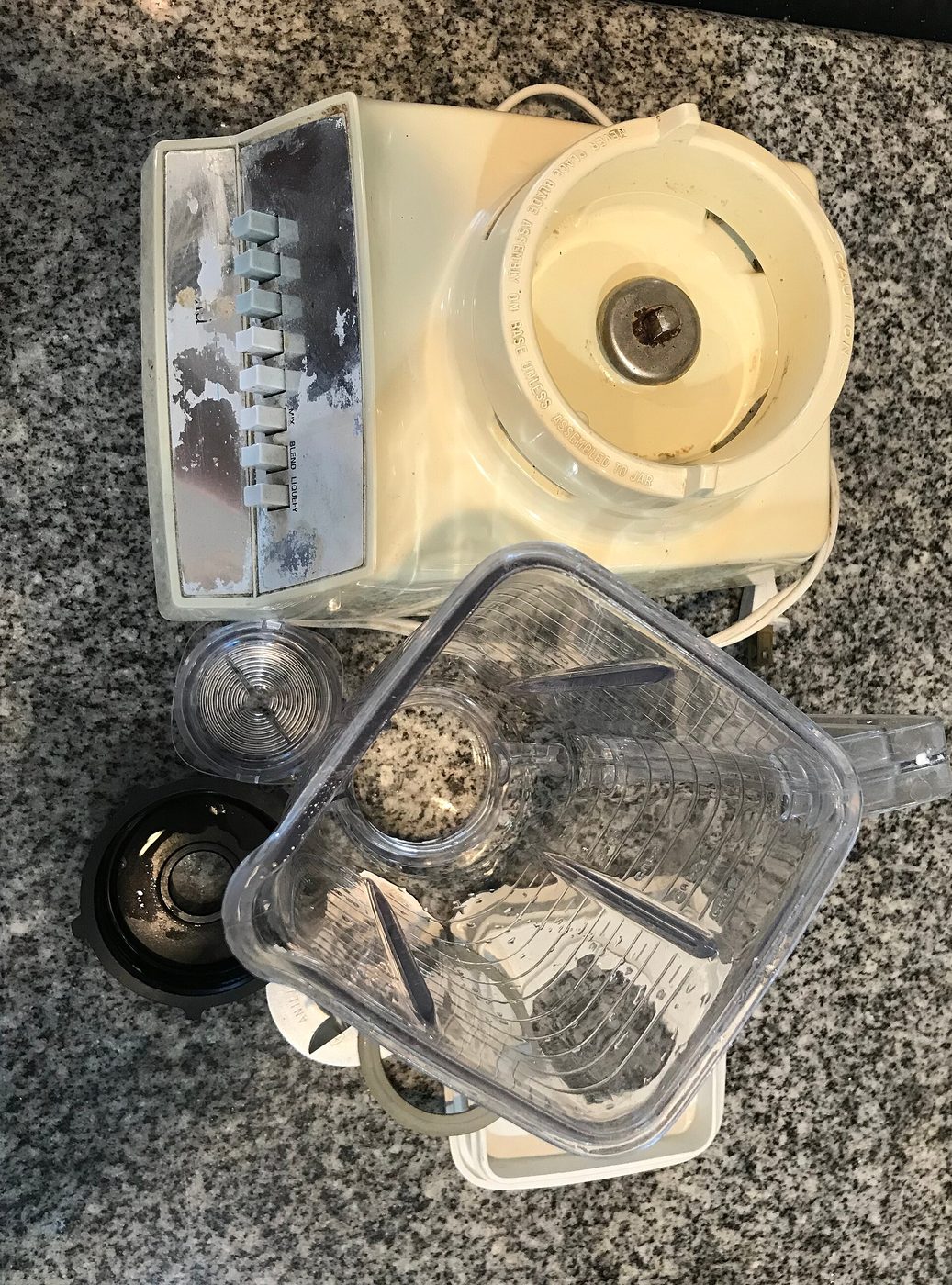

For a useful comparison, write down:
- Your actual task and typical batch, rather than an imagined maximum.
- The relevant jar or bowl and its permitted working limits.
- Any attachment you would need but do not already own.
- The parts that must be removed, washed and stored afterward.
Leave a field blank when the source does not specify it. An unknown is more useful than an invented specification.
Compare minimum practical batches as well as the largest bowl
A larger vessel is not automatically the more useful purchase. Think about the small batches you repeat as well as the largest quantity you hope to make. A small amount of herbs, a modest dressing and a large vegetable-preparation session need not point to the same tool. The relevant question is whether the model’s documented method supports that quantity and texture, not whether the box advertises the largest capacity.
The KitchenAid KFC3516CU three-and-a-half-cup food chopper on Amazon illustrates a separate category worth recognizing. Its listing describes a multipurpose blade, two speeds, pulse and a drizzle basin. It is a chopper example, not evidence of a supplied slicing or shredding disc. Do not purchase a compact chopper expecting every attachment function of a larger processor simply because both are sometimes described informally as food processors.
To compare quantities honestly, make a row for each regular task and enter the relevant manual limit. Leave the row incomplete if the source gives only the container’s nominal volume. Do not invent a standard minimum or divide one recipe into batches without checking the equipment instructions. A quantity that physically fits the vessel is not necessarily an appropriate processing quantity.
Also distinguish serving volume from preparation volume. Ingredients may occupy space differently before and after processing, so the finished amount in a bowl is not a universal measure of the starting load. This is a reason to use the manufacturer’s batch guidance rather than a reason to calculate an unsupported conversion. When several appliances appear suitable, the one already in your kitchen may be enough. When none has clear documentation for your task, buying another category name alone does not resolve the uncertainty.
If you already own one, use this decision path
The manual supports the task and your batch: start with that appliance and an appropriate, sourced recipe. Owning both categories is not a requirement.
You need a function your appliance lacks: identify the missing function precisely. “I need a slicing disc for regular vegetable prep” is a clearer reason to consider another tool than “a processor is more powerful.”
The only gap is an occasional task: consider whether your existing manual preparation method is adequate before buying another powered appliance. This is a convenience decision, not a performance claim.
The instructions are unclear: contact the manufacturer rather than copying a technique from a different model.
Consider smaller alternatives without treating them as interchangeable
Sometimes the real decision is not “large blender or large processor.” You may need occasional blending plus a small chopped preparation, with no regular requirement for slices or shreds. In that situation, a hand blender and compact chopper are categories to investigate. Their appeal is a different handling arrangement, not a guarantee of equivalent results or universal compatibility with your pots and containers.
One package to compare is the KitchenAid KHBV53 hand-blender and KFC3516CU chopper bundle on Amazon. This destination is explicitly a two-item bundle, not a standalone hand-blender offer. The description identifies a removable blending arm, a blending jar and a separate chopper. Compare the package against what you already own: duplicating the chopper may add storage without solving a new task.
A hand blender does not gain a slicing disc merely by being bundled with another tool. Nor does its presence establish permission to blend in every vessel or at every temperature. Read its instructions for compatible containers, pan protection and operation. If your main unmet need is grated or evenly sliced ingredients, return to the processor’s actual disc list rather than allowing the smaller bundle to distract from the job.
Here is an editorial decision example, not a tested recommendation: someone who already has a supported blender but lacks a shredding function should first investigate that missing function. Someone whose existing processor supports a dip does not need a second purchase solely because a blender listing also mentions sauces. Use the overlap to reduce unnecessary duplication. Only consider another tool when you can describe the gap in a sentence and identify documentation showing how the candidate addresses it. That keeps “substitute” from becoming an excuse to ignore the limits of either machine.
Make room for the whole setup
When deciding whether a second appliance is worthwhile, include the bowl, lid, discs and other attachments—not just the motor base. Our deep-cabinet organization guide offers a measurement and access checklist for storage. It does not establish that an appliance can be operated inside a cabinet.
Measure a complete storage and handling route
The closed appliance footprint is only the beginning of storage planning. A processor may require room for the bowl and feed tube; a blender may need space for the jar and lid; either may have separate accessories. Record where all of those pieces will live. Keeping the base accessible while hiding the only necessary attachment behind unrelated pans can make a nominally compact setup awkward to use.
For measuring, an ordinary tool such as the STANLEY PowerLock 33-425 tape measure on Amazon can help you record cabinet openings and usable shelf space. It is a measurement example, not a fit guarantee. Compare your measurements with the exact appliance’s assembled dimensions, and allow for the handling motions its instructions require. Do not substitute a shipping-carton size for the product’s dimensions.
Check the route from storage to the permitted operating location. Can the jar pass through the opening normally? Is there somewhere appropriate for the lid while you prepare ingredients? Can washed removable pieces be dried and returned without rebuilding a precarious stack? These questions are planning prompts, not claims of tested ergonomics or injury prevention. If access is difficult, change the arrangement rather than forcing a heavy or awkward object through a tight gap.
Use two hypothetical shopping briefs to finish the decision. In the first, a household already owns a blender whose manual supports its regular smoothie, but wants sliced vegetables. Keep the blender for its supported task and investigate a processor package with the required slicing disc; a second blender does not supply that missing attachment. In the second, the household owns a processor whose instructions support its occasional dip, and no one needs a pourable blended drink. The overlap may mean no purchase is necessary. These are decision examples, not tests of a particular machine. For your own brief, record the existing appliance, its documented task, the missing function and the exact candidate package that could supply it. Add a manual reference beside each confirmed capability. Leave unanswered operating questions visible instead of replacing them with a category assumption. Save that short record with your measurements so a later color, bundle or sale option does not silently change the equipment you meant to compare.
Sources and limits
Source checked November 23, 2026: KitchenAid US — Food processor vs blender: what’s the difference?. This is manufacturer guidance, not independent comparative testing. The task table above is an editorial summary, not a scorecard. No prices or tested model rankings are supplied. The Amazon links above are commercial examples; the KitchenAid links in this section are non-affiliate source citations.